One of the key home improvement choices homeowners make is the selection of new windows. The right windows affect the look, energy efficiency, comfort, ventilation, and value of a home. There are numerous styles to choose from, and picking the right one may be daunting.
Through the architectural design, the function of rooms, the climatic conditions, and the maintenance requirements, factors are to be considered in the decision-making process.
By knowing the advantages of each type of window, homeowners can make informed decisions to improve the aesthetics and functionality of their homes for years of enjoyment.
Understand the Architectural Style of the Home
Homeowners should keep in mind the overall design of their property before deciding on window options. Windows should enhance rather than overwhelm the home’s architecture.
For instance, double-hung windows are a good fit for traditional homes, and casement windows are suitable for modern designs. Picture windows enhance the look of modern buildings, while bay and bow windows are perfect for classic properties.
The window styles, colors, and materials with the style provide a sense of harmony and enhance the home’s long-term resale value and curb appeal.
Popular Window Styles
Some popular options include:
1. Double-Hung Windows
These are two sash types that can be opened and have flexible air circulation as well. They are chosen for their timeless look and simple maintenance.
2. Casement Windows
Casement windows look outward and are hinged on the side, allowing for great ventilation and energy efficiency. They can swing outward and open like a door with a hand crank.
3. Sliding Windows
Sliding windows are great for larger windows; they’re simple to operate and provide clear visibility. They are best for small spaces as they do not protrude outward.
4. Picture Windows
Picture windows are not intended to open and do not open, but instead increase visual impact and afford a lot of natural light and a view.
5. Bay and Bow Windows
These windows extend from the house. Bay windows have three panels with sharper projections. Bow windows feature four or more windows with smooth curves.
Importance of Professional Window Installation
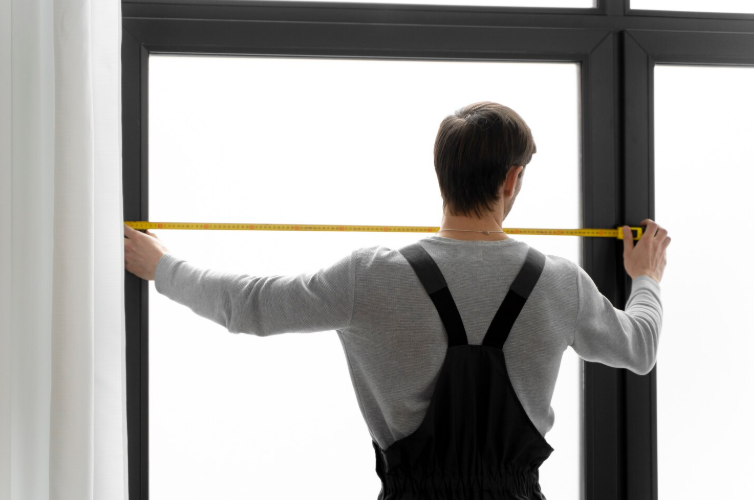
But even the best windows can function less than optimally if they aren’t installed properly. Professional window installation ensures that the windows are sealed tightly, aligned properly, and will last for years.
Experienced installers consider the following factors before installation:
- Structural openings
- Insulation requirements
- Weather resistance
- Local building codes
- Energy-efficiency performance
Look at Functionality for Each Room
The ventilation and lighting needs of different rooms vary. Windows that can be opened easily above counter tops might be a good feature in a kitchen, whereas larger windows might be a desirable feature in a living room.
When making a decision, you should take into account the following:
- Ventilation needs
- Ease of operation
- Privacy requirements
- Natural light goals
- Outdoor accessibility
Think Long-Term Maintenance and Value
Choosing windows should not only consider the immediate use, but also the long-term value. The level of maintenance can differ between materials and from one use to another, depending on the climate.
Common frame materials are:
- Vinyl
- Fiberglass
- Wood
- Composite
- Aluminum