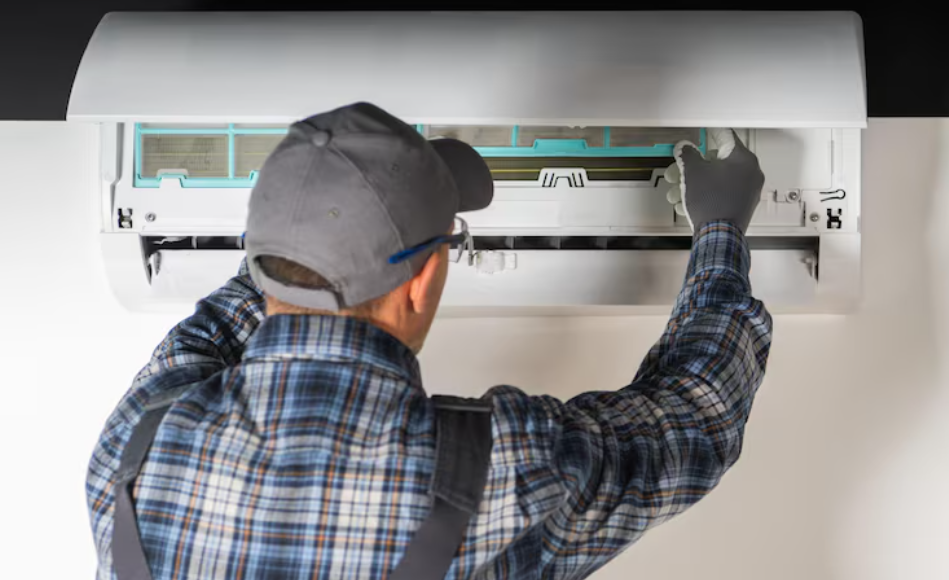

In today’s world, energy efficiency and environmental protection have become very important. Many countries are focusing on reducing energy waste and lowering carbon emissions. This has created new career paths for people who want to work in the green sector. One such path is becoming a domestic energy assessor. With the right guidance and knowledge, domestic energy assessor training can help you build a strong and meaningful career while also contributing to a better environment.
What is Domestic Energy Assessor Training
Domestic energy assessor training is a professional program that teaches you how to evaluate the energy performance of residential buildings. During this training, you learn how homes use energy and how efficiently they retain heat, lighting, and other resources. The goal is to understand how to make homes more energy-efficient and environmentally friendly.
This training also introduces you to energy rating systems used in housing assessments. You learn how to inspect properties, collect data, and create reports that show the energy performance of a home. With domestic energy assessor training, you gain the knowledge needed to support energy-saving improvements in everyday living spaces.
Skills You Gain Through Training
One of the main benefits of domestic energy assessor training is the wide range of skills you develop. You learn how to carefully observe buildings and understand construction details that affect energy use. This includes knowledge about insulation, heating systems, windows, and ventilation.
You also build strong analytical skills because you need to interpret data and calculate energy efficiency ratings. Communication is another important skill, as you must explain your findings clearly in written reports. Through domestic energy assessor training, you become more confident in using technical tools and software designed for energy assessment work.
Career Opportunities in the Green Sector
After completing domestic energy assessor training, many career opportunities become available. You can work with housing organizations, construction companies, government agencies, or private consultancy firms. Your role may involve inspecting homes, advising property owners, or helping builders design energy-efficient buildings.
There is also growing demand for professionals who understand energy efficiency due to increasing environmental regulations. This means that domestic energy assessor training can open doors to stable and long-term employment. As more people focus on reducing energy costs and environmental impact, your skills become even more valuable in the job market.
Why a Green Career Matters Today
Choosing a green career is not only about personal growth but also about making a positive impact on the world. Energy consumption in homes is one of the major sources of carbon emissions. By helping improve energy efficiency, you contribute to reducing environmental damage.
A career supported by domestic energy assessor training allows you to play a direct role in promoting sustainability. It helps homeowners save money on energy bills while also protecting natural resources. This combination of financial and environmental benefits makes the profession both meaningful and rewarding.
How to Get Started in This Field
Starting your journey is straightforward. You first need to enroll in a recognized domestic energy assessor training program. These courses are designed to be accessible, even for beginners with no prior technical background. Once you complete the training, you may need to pass an assessment or gain certification depending on your region.
After certification, gaining practical experience is important. Many new assessors start by working under experienced professionals or joining entry-level positions in energy consultancy firms. With time and experience, your skills and career prospects will continue to grow.
Conclusion
Domestic energy assessor training provides a valuable pathway into a growing and important industry. It equips you with practical skills, technical knowledge, and career opportunities in the green sector. As the world continues to focus on energy efficiency and environmental protection, this profession becomes more relevant every day. By choosing this path, you not only build a stable career but also contribute to a more sustainable future for everyone.