Large-scale cooling infrastructure shapes the comfort and efficiency of modern commercial spaces. From shopping malls to data centers, cooling systems operate as silent backbones. They manage heat loads, stabilize indoor climates, and protect sensitive equipment. The design is never accidental. It blends engineering precision with real-world usage patterns. Good management ensures these systems stay reliable under pressure.
Foundations Of Large Scale Cooling Infrastructure
Every effective cooling system begins with accurate load calculation. Engineers study building size, occupancy, and external climate. They map peak demand and daily variations. This process prevents overdesign and energy waste. Materials, ducting, and airflow patterns are selected with care. A well-planned foundation reduces long-term operational stress.
Role Of Commercial HVAC Service In System Performance
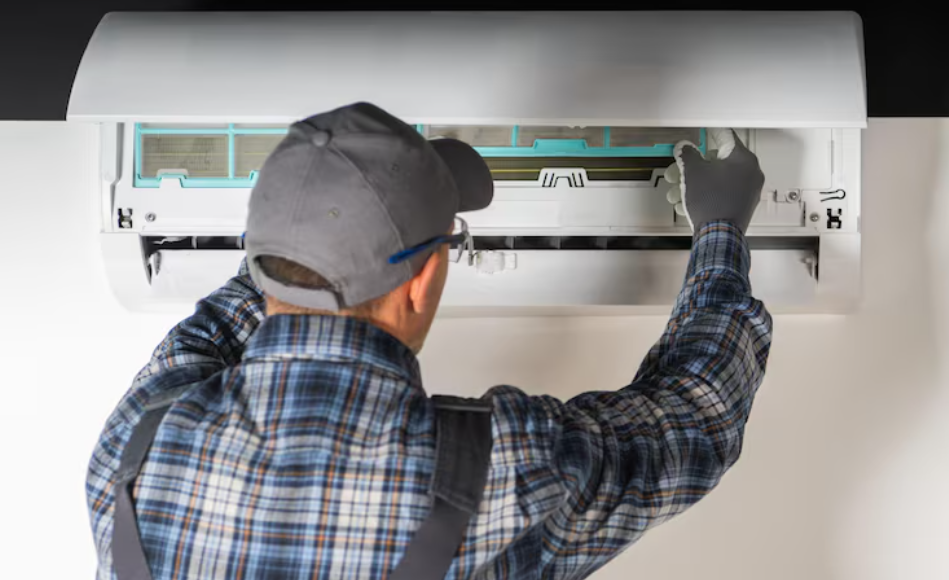
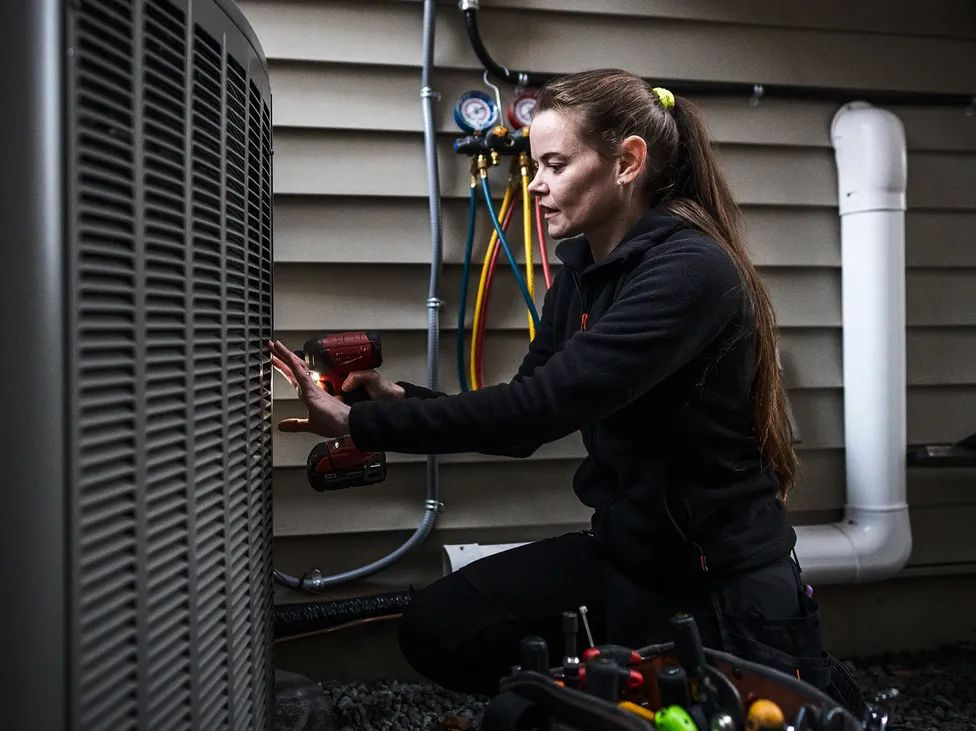
Commercial HVAC service refers to the professional maintenance, repair, and optimization of heating, ventilation, and air conditioning systems in business environments. It keeps equipment running efficiently and extends lifespan. Regular inspections catch small faults early. Filters are cleaned, refrigerant levels are balanced, and airflow is tested. Over time, this routine care reduces downtime and energy bills. In large-scale setups, consistent commercial HVAC service ensures stable performance even during peak demand.
Cooling Tower For Commercial Building Efficiency
A cooling tower for commercial building systems is a heat rejection device that removes excess heat from water-cooled systems. It transfers heat into the atmosphere through evaporation. These towers are vital in high-capacity environments like hospitals and factories. Proper sizing and placement improve thermal performance. Water treatment prevents scaling and corrosion. When integrated correctly, a cooling tower for commercial building enhances overall system efficiency.
Integration Of Cooling Tower For Commercial Building Design
Design integration goes beyond installing equipment. It aligns cooling towers with chillers, pumps, and control systems. Engineers consider airflow direction, noise levels, and water distribution. Structural support must handle weight and vibration. Smart placement reduces energy loss and improves cooling cycles. In advanced setups, sensors monitor temperature and flow in real time. This ensures the cooling tower for commercial building operates at optimal levels throughout its lifecycle.
Smart Monitoring In Commercial HVAC Service Operations
Modern cooling systems rely on data. Sensors track temperature, humidity, and pressure continuously. This data feeds into centralized control systems. Operators can adjust performance remotely. Predictive maintenance becomes possible through trend analysis. Faults are identified before they escalate. This approach reduces unexpected failures and repair costs. Over time, smart monitoring transforms commercial hvac service into a proactive strategy rather than a reactive task.
Energy Optimization In Large Scale Cooling Systems
Energy efficiency is a critical concern in large installations. Cooling systems often consume a significant portion of total power. Variable speed drives help regulate motor performance. Advanced chillers adapt to partial loads. Heat recovery systems reuse excess energy. Insulation and sealing reduce losses. These measures collectively lower operational costs. They also support sustainability goals without compromising performance.
Lifecycle Management And System Longevity
Cooling infrastructure is a long-term investment. Its value depends on proper lifecycle management. Scheduled maintenance, timely upgrades, and system audits play key roles. Components wear out over time, but planned replacement avoids sudden breakdowns. Documentation helps track performance trends. Skilled technicians ensure compliance with safety standards. This structured approach keeps systems reliable for decades.
Conclusion
Large-scale cooling infrastructure demands thoughtful design and disciplined management. It is not just about installing equipment. It involves continuous monitoring, regular servicing, and strategic upgrades. Systems like cooling towers and HVAC networks must work in harmony. When managed well, they deliver consistent comfort and operational efficiency. In a world of growing energy demands, smart cooling solutions are no longer optional. They are essential.