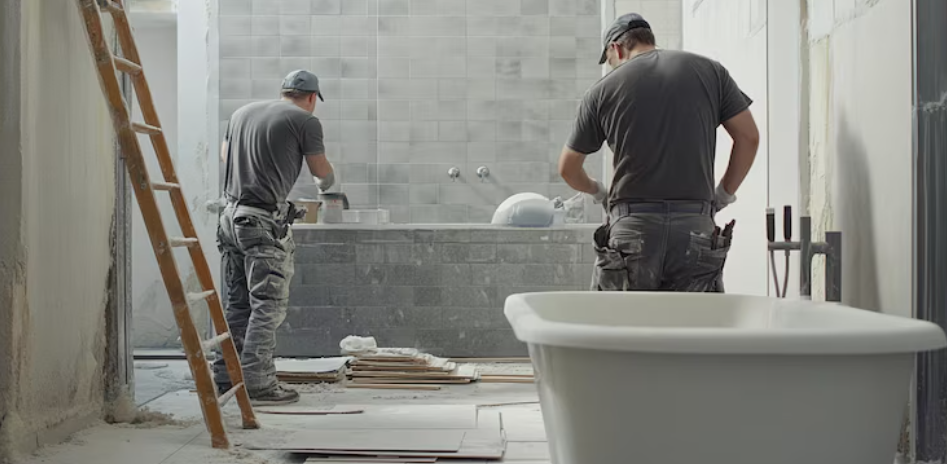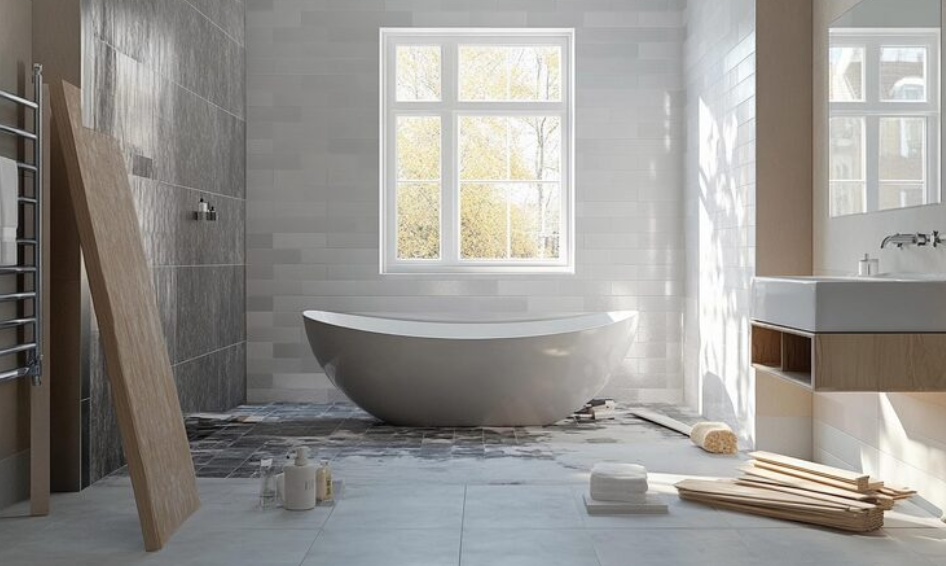
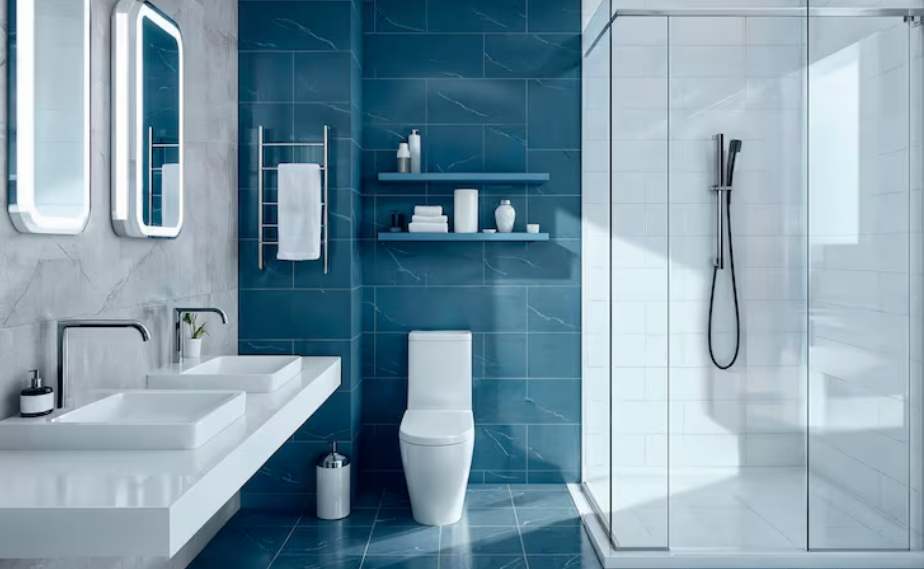
A bathroom is one of the most frequently used spaces in any home. Because it is exposed to water every day, it is also one of the areas most vulnerable to moisture-related damage. Over time, water can seep into walls, floors, and hidden spaces, causing structural problems and costly repairs. This is why waterproofing is an important step in bathroom construction and renovation. Proper waterproofing shower walls and floor helps protect your bathroom from long-term damage and ensures it remains strong, safe, and attractive for years.
Understanding the Importance of Waterproofing
Bathrooms are constantly exposed to water from showers, sinks, and cleaning activities. Even small amounts of water that seep through tiles and grout can create serious issues over time. Moisture can penetrate beneath the surface and weaken the structure of walls and flooring.
When homeowners invest in waterproofing shower walls and floor, they create a protective barrier that prevents water from reaching the underlying materials. This barrier helps maintain the integrity of the bathroom and reduces the risk of future problems.
Preventing Water Damage
One of the biggest benefits of waterproofing is protection against water damage. Without proper waterproofing, water can gradually seep into walls and flooring, causing materials to deteriorate. Wooden structures may rot, drywall may weaken, and flooring may become unstable.
Waterproofing systems are designed to stop moisture from penetrating these surfaces. By keeping water where it belongs, waterproofing helps preserve the condition of your bathroom and prevents expensive repairs that may result from hidden water damage.
Reducing Mold and Mildew Growth
Bathrooms provide the perfect environment for mold and mildew because of their high humidity levels. When moisture becomes trapped behind walls or beneath floors, mold can develop and spread quickly.
Proper waterproofing shower walls and floor significantly reduces the chances of moisture buildup in hidden areas. As a result, mold and mildew have fewer opportunities to grow. This not only protects the bathroom structure but also helps maintain a healthier indoor environment for everyone in the home.
Extending the Lifespan of Bathroom Materials
Bathroom materials such as tiles, grout, wallboards, and flooring can wear out more quickly when exposed to constant moisture. Water infiltration can weaken adhesives, loosen tiles, and cause grout to crack over time.
Waterproofing acts as a protective layer that helps these materials last longer. By preventing moisture-related deterioration, homeowners can enjoy a durable bathroom that remains in good condition for many years. This can also reduce the need for frequent maintenance and replacements.
Improving Structural Strength
A bathroom that is not properly waterproofed can experience gradual structural weakening. Moisture can penetrate deep into the building materials and affect supporting structures. This may eventually lead to costly renovations and repairs.
When waterproofing shower walls and floor is completed correctly, it helps protect the structural elements of the bathroom. Floors remain stable, walls stay strong, and the overall integrity of the space is preserved. This added protection contributes to the long-term resilience of the home.
Enhancing Property Value
A well-maintained bathroom can add significant value to a property. Potential buyers often pay close attention to the condition of bathrooms because repairs in these areas can be expensive.
A waterproofed bathroom demonstrates quality construction and proper maintenance. It provides confidence that the space has been protected against moisture-related issues. This can make a property more attractive to buyers and potentially increase its market value.
Supporting Long-Term Cost Savings
Although waterproofing requires an initial investment, it often saves money in the long run. Repairing water damage, replacing mold-infested materials, and restoring structural components can be far more expensive than installing waterproofing from the start.
By preventing these problems before they occur, waterproofing helps homeowners avoid unexpected repair costs and maintain their bathrooms more efficiently over time.
Conclusion
A durable and reliable bathroom begins with proper moisture protection. Waterproofing shower walls and floor is an essential step that helps prevent water damage, reduce mold growth, extend material lifespan, and maintain structural strength. It also contributes to long-term cost savings and can enhance property value. By investing in quality waterproofing, homeowners can create a bathroom that remains resilient, functional, and attractive for many years to come.